
Help ID Chicago’s Wildlife

A small brown, gray rabbit under bushes near the edge of a grassy yard.

What’s the wildest animal you’ve spotted in your neighborhood? A rabbit dashing into the bushes? A raccoon trotting down the alleyway? Maybe even a coyote out for a morning prowl?

A black and white image taken at nigh-time of two coyotes. One coyote in the foreground sniffs the ground. Another coyote in the background looks to the left side. A building behind a hill where the coyotes are standing is in the background.
Coyotes are among the species sniffing out Chicago’s urban ecosystem.

These are just a few of the animals that call Chicago home. And you can help zoo scientists identify this amazing local wildlife by visiting Chicago Wildlife Watch.

Developed in partnership by the Lincoln Park Zoo’s Urban Wildlife Institute and Adler Planetarium’s Zooniverse, Chicago Wildlife Watch contains more than 1 million photos of local deer, dogs and other animals. These pictures were gathered through the zoo’s Urban Wildlife Biodiversity Monitoring project. Started in 2010, this effort has seen zoo researchers install more than 100 motion-triggered cameras in locations ranging from the Loop to the suburbs, all with the goal of collecting the most comprehensive portrait of urban wildlife ever made.

But while the cameras are automated, identifying the animals isn’t. That’s where we need your help. Everyone who visits the Chicago Wildlife Watch website and spends a few minutes sorting the flying squirrels from the empty frames can help us analyze this awesome data set—and build a better understanding of Chicago-area wildlife.

A male deer with large antlers looks up. A tree and grassy vegetation is in the background.
A deer displays his antlers in this camera-trap photo.

Zoo researchers have already learned a lot about Chicago species. They’ve discovered that skunks and red foxes tend to stick to the suburbs while “raccoons and coyotes are everywhere.” Scientists have found that deer buck the urban-animal trend by grazing during the day. They’ve even set up special acoustic-monitoring stations to identify bats fluttering overhead at night.

Chicago Wildlife Watch gives you the opportunity to lend scientists a hand—and see some cool photos of local wildlife. Give it a try.


Seth Magle, PH.D., is the Director of the Urban Wildlife Institute at Lincoln Park Zoo.

Share this Article

Share buttons do not appear in beta servers.

Submit a question for the author


Explore Our Family of Websites
Similar Reads


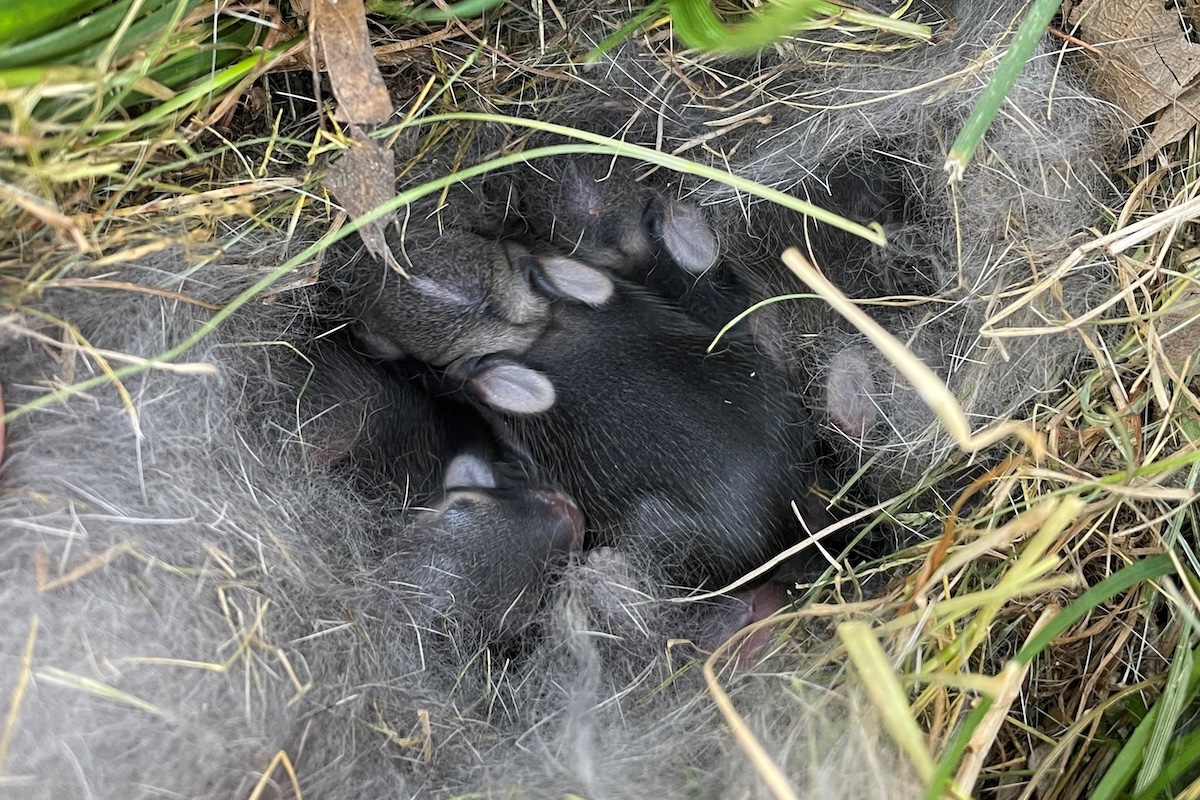
Dark gray tiny baby rabbits snuggled in a fur lined grassy nest.

Does That Baby Animal Need Help?


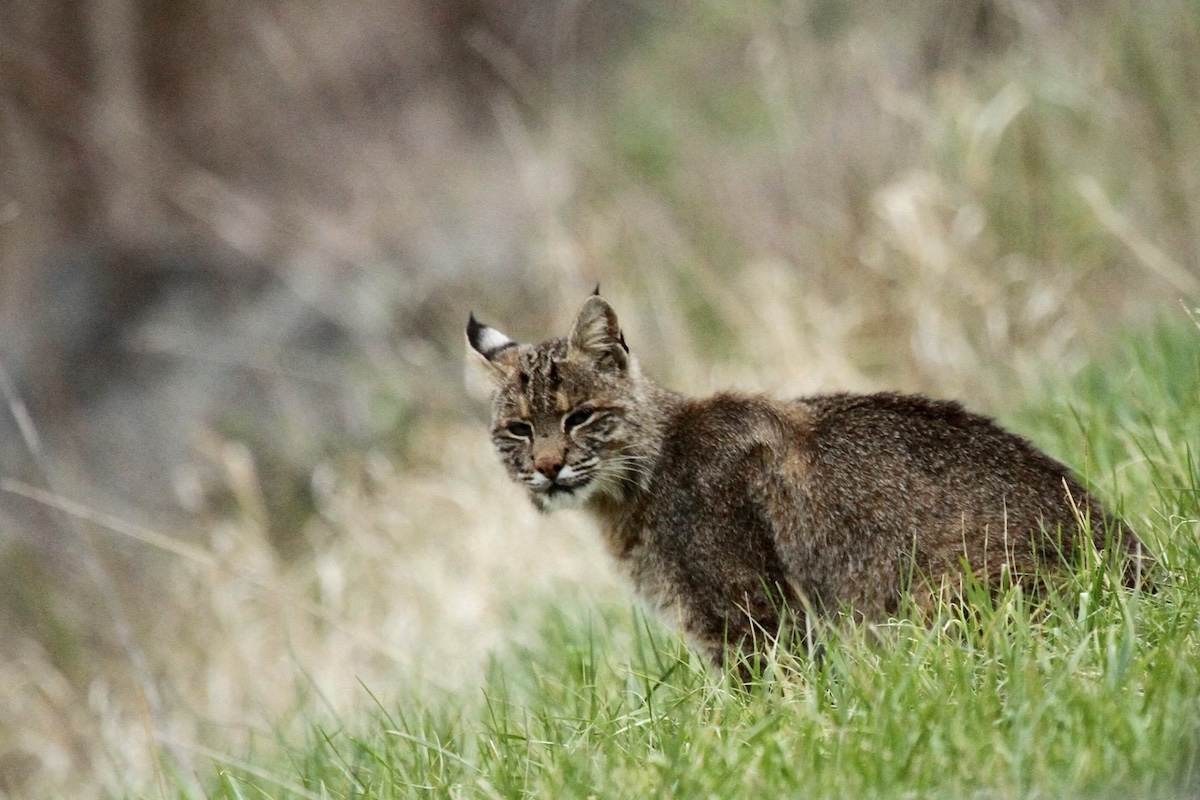
A brown, tan, black and white bobcat sits in a patch of green grass on a hill. Tan grasses are in the background.

What’s for Dinner, Bobcat?


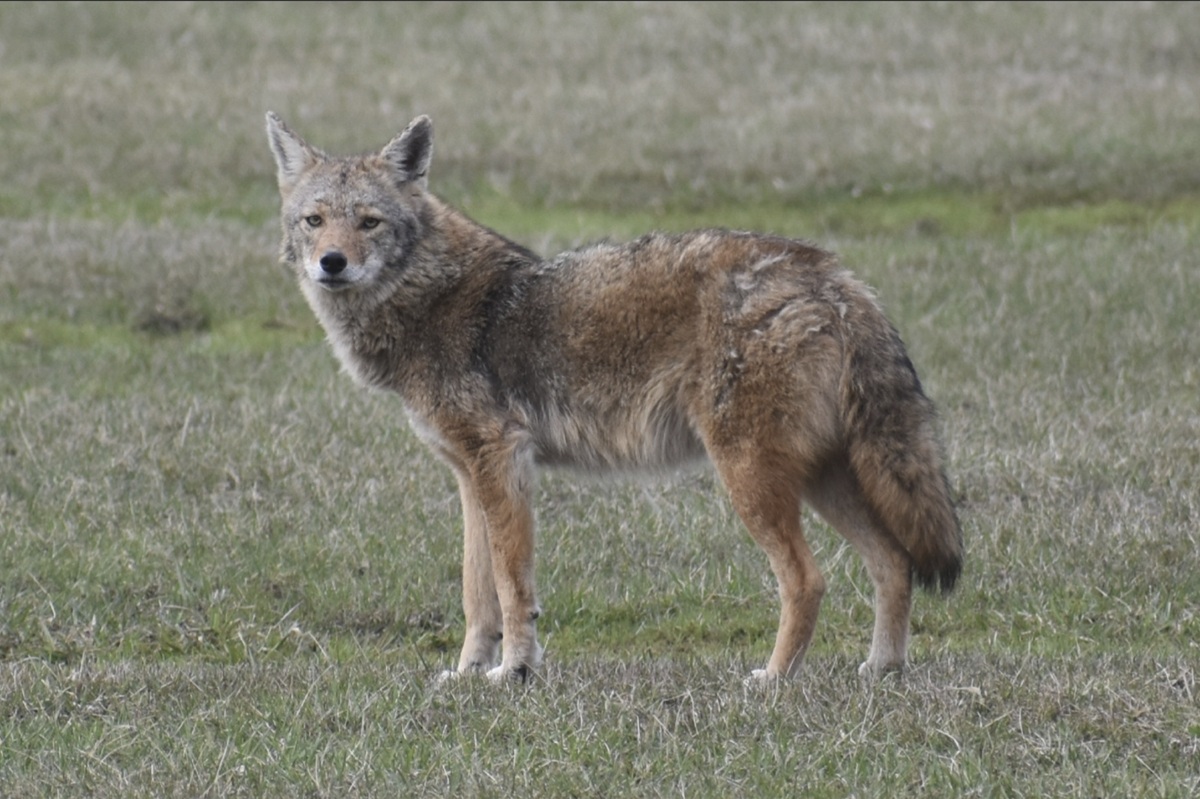
An image of a coyote standing in a field of short grass with its face turned toward the photographer.

The Seasonality of Nuisance Coyote Calls


A group of people stand in front of two boats. A few people stand on the boats as well. In the background is a brushy woodland. A green patchy lawn is in the foreground.

A portrait of a deer looking directly into a trail camera. In the background is a snowy woodland.

A close-up of a dragonfly with a brownish red head and thorax and a bright red abdomen.

Watching Dragons and Damsels


A shed antler from a white-tailed deer rests against a fallen log nestled in amongst leaf litter on the forest floor.

Nature’s Seasonal Events: February-April


An adult male white-tailed deer runs through a harvested cornfield. In the background is a grassland. Overlapping the photo in the top right is the Illinois Department of Natural Resources 100th Anniversary Celebratory logo.

A green and brown smallmouth bass fish swimming to the right in murky waters.

Using Long-term Data to Improve Sportfish Monitoring in Illinois Rivers


A brown white-tailed deer walks down a snowy hill in a woodland. Snow is actively falling and accumulating on the ground. Some snow is on the deer's back and head.

Caught on Camera