
Photo by Michael R. Jeffords.



Photo by Michael R. Jeffords.
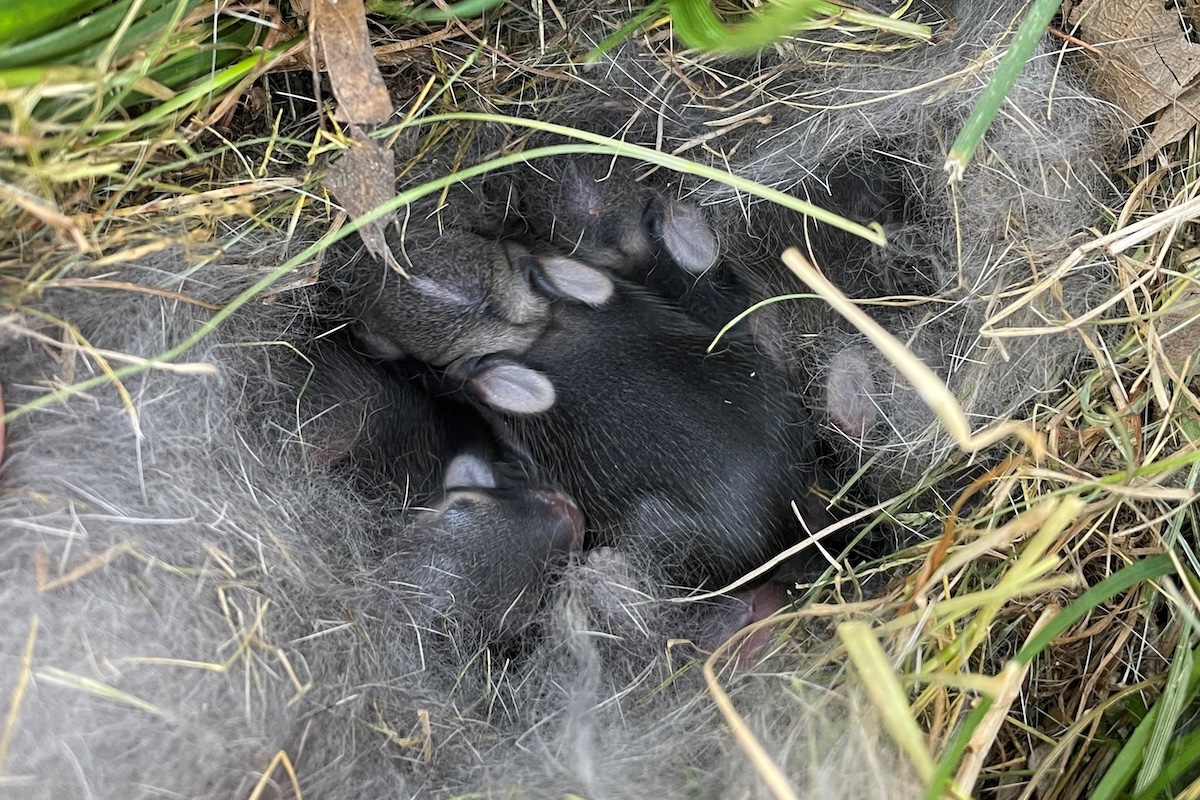
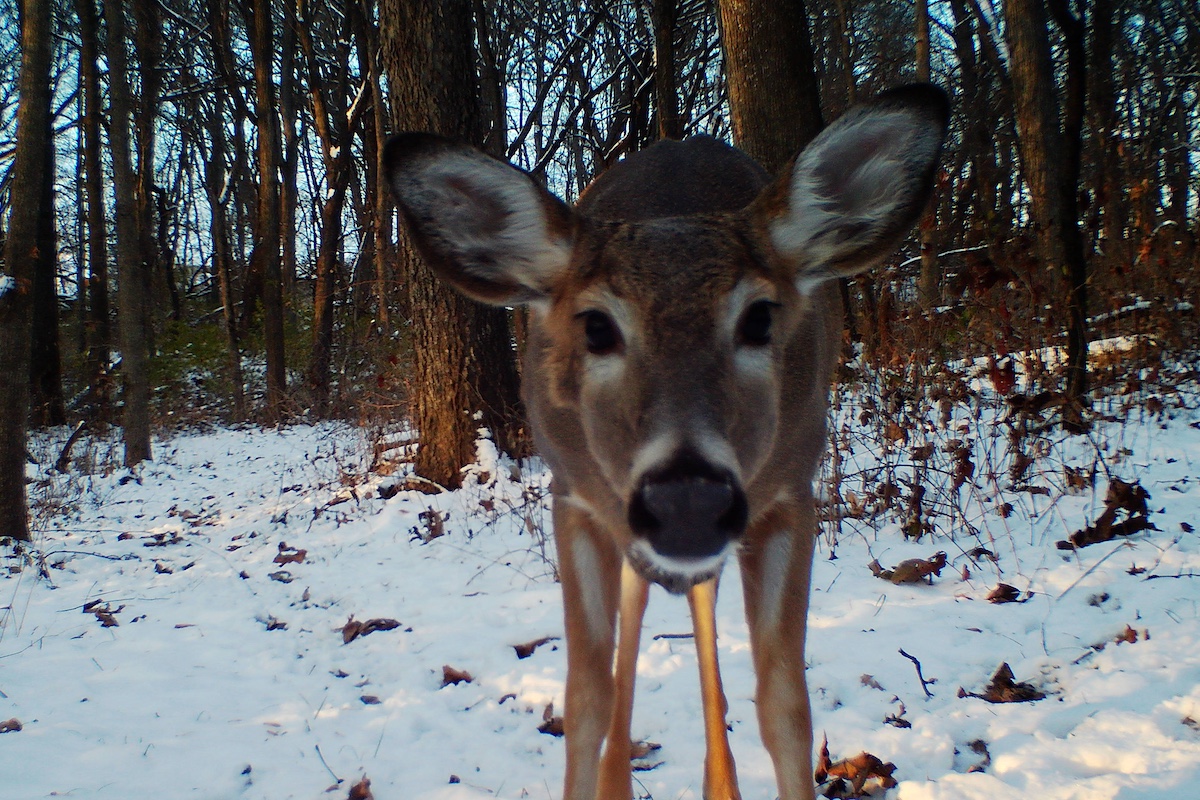
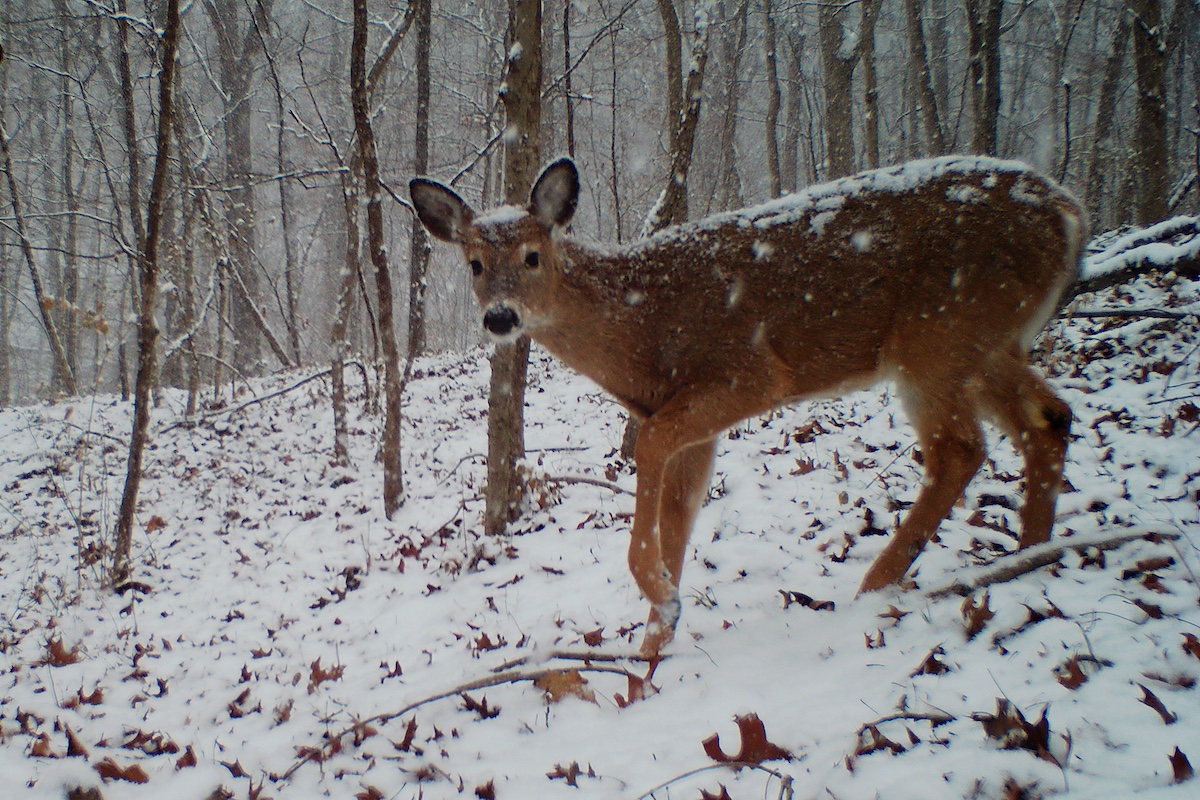
Pregnant female deer are known to seek out areas to give birth that offer protection from predators, human induced disturbances and intrusions by other deer. This isolation allows the fawn to imprint on the mother only, a necessary behavior before the fawn grows older and encounters other deer.

To determine the cover characteristics of known birth sites and year-to-year retention of these sites, 17 breeding females were captured in Piatt County, radio collared and radio located each year for up to five breeding seasons. All 17 females reared at least one fawn to weaning age (4–5 months old) each year for a total of 50 pregnancies.
These females all used the same area for births each year. As they grew older females became even more attached to a birth site, using the exact site for nearly 90 percent of all births by the time females reached 6 years old. All 17 females isolated their fawns away from other deer for about 8 weeks, from May–June until late July–early August.

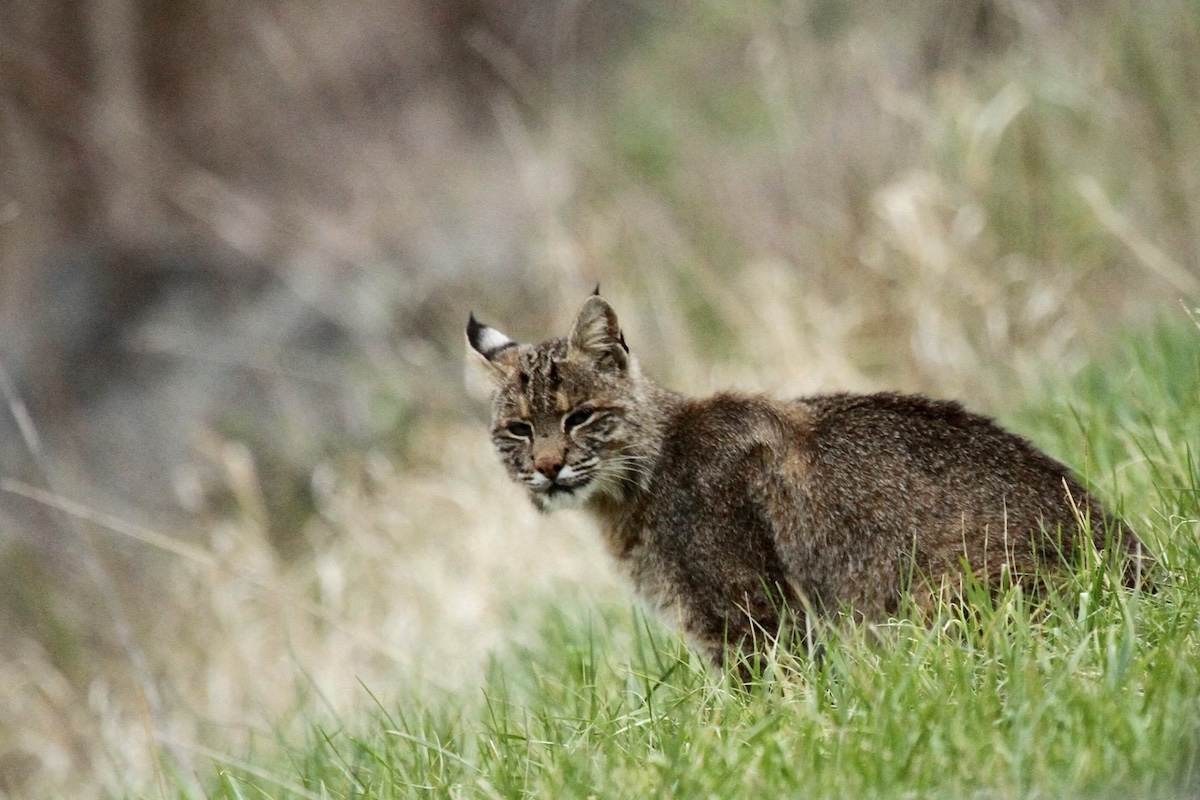
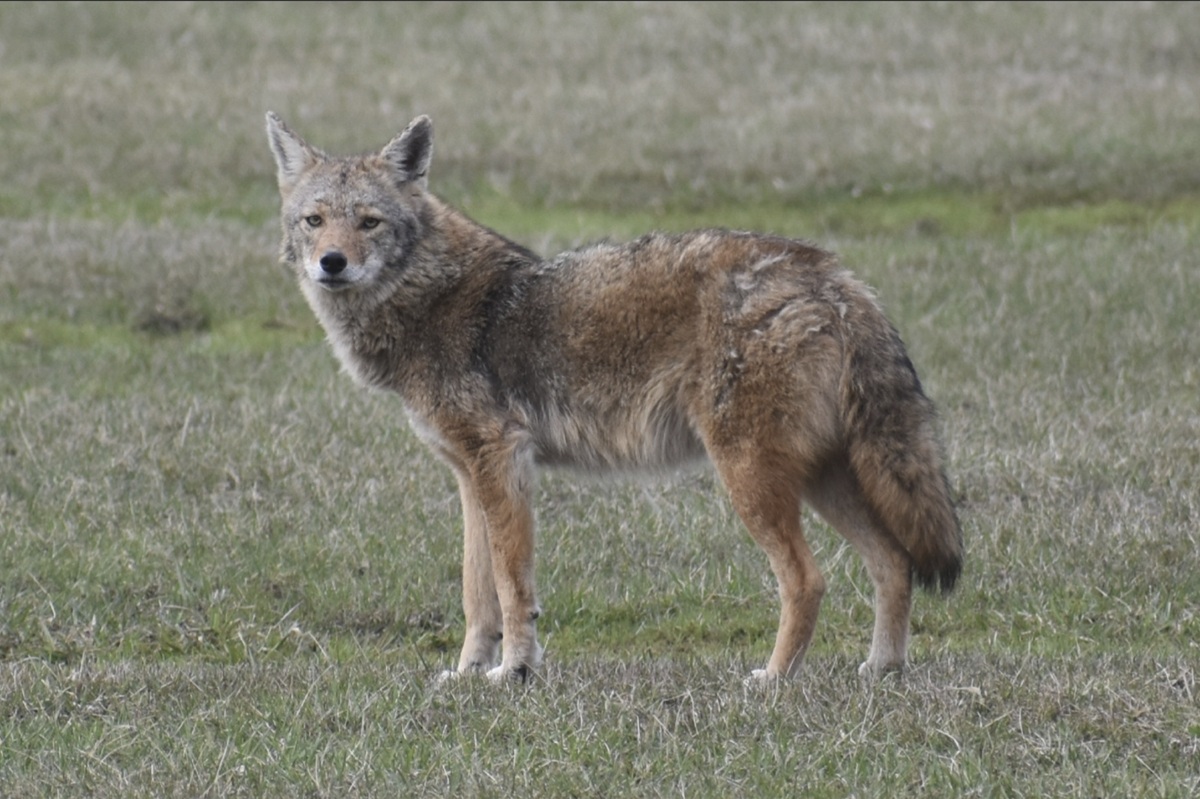
Experienced females showed a preference for birth sites with the abundant forest understories that are usually associated with forests less than 50 years old. They avoided older forests and forests that were frequently flooded as these habitats often had poorly developed understories. Marked females lost fewer fawns to predators in these denser understory habitats. Where available, females are also known to use hayfields or wheat fields as birth sites, habitats also featuring dense vegetation that would hide fawns from predation. However, these field types were not available on the areas used for this study.
Intolerance by breeding females to the presence of other deer near their fawns did not extend to feeding sites away from the fawn. Females continued to feed together in crop fields when away from their fawns after birth.
Charlie Nixon is a wildlife ecologist retired from the Illinois Natural History Survey.




Submit a question for the author