
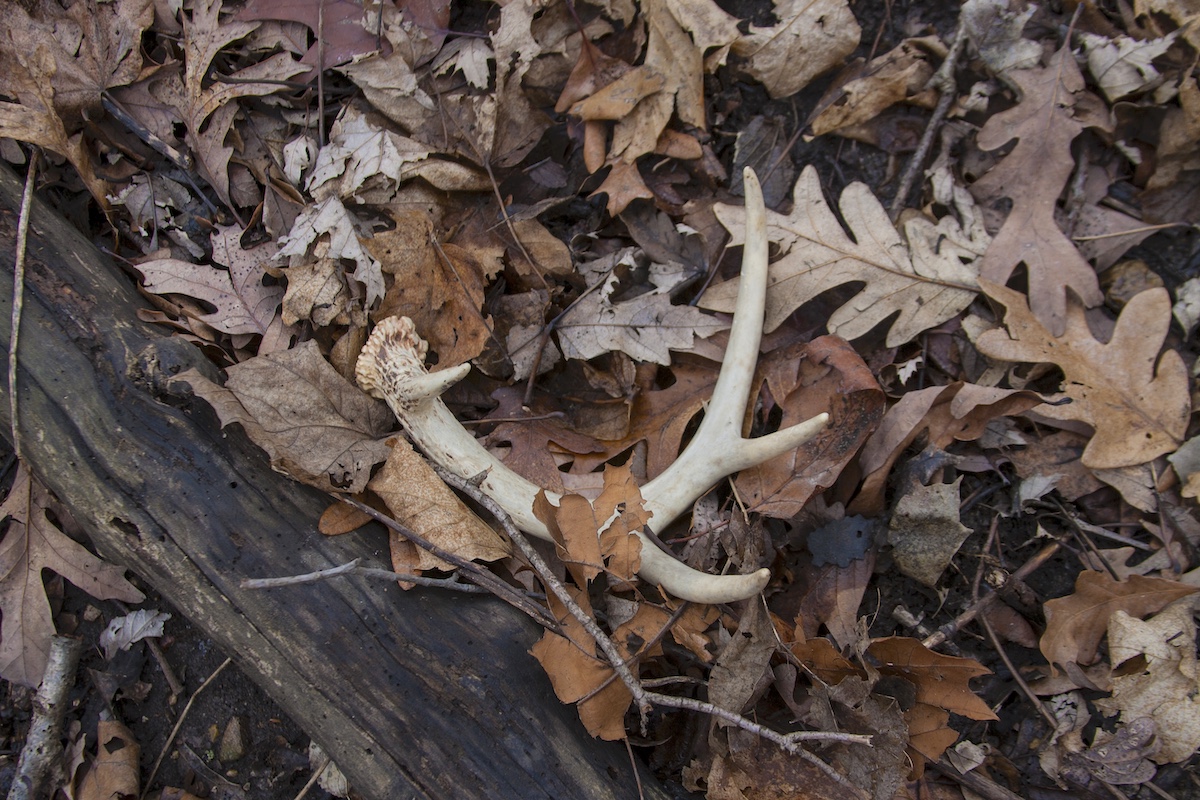
Photo by Michael R. Jeffords


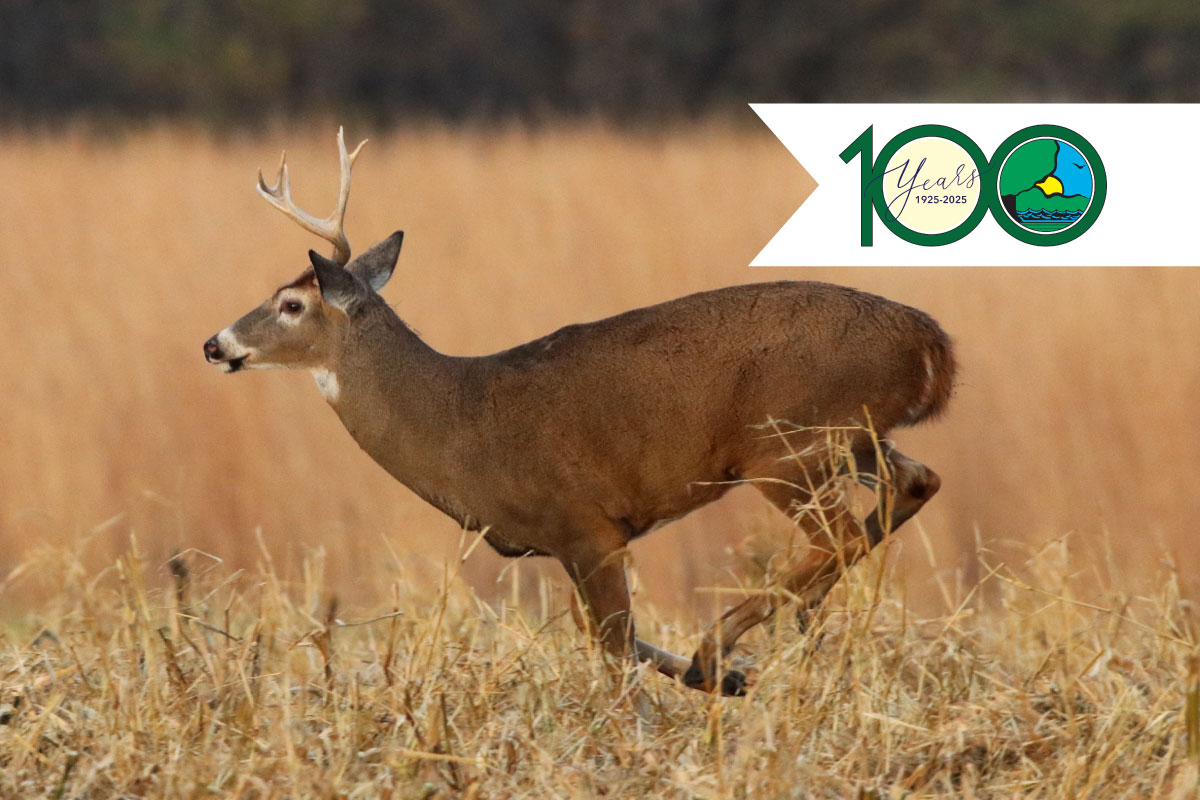
Photo by Michael R. Jeffords
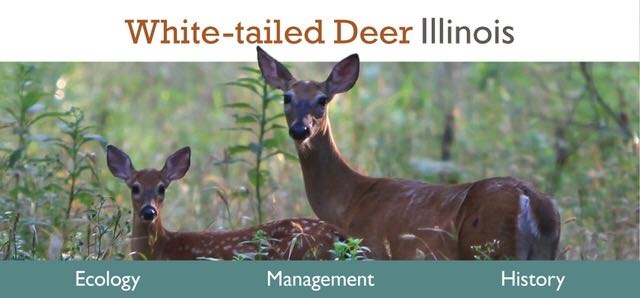
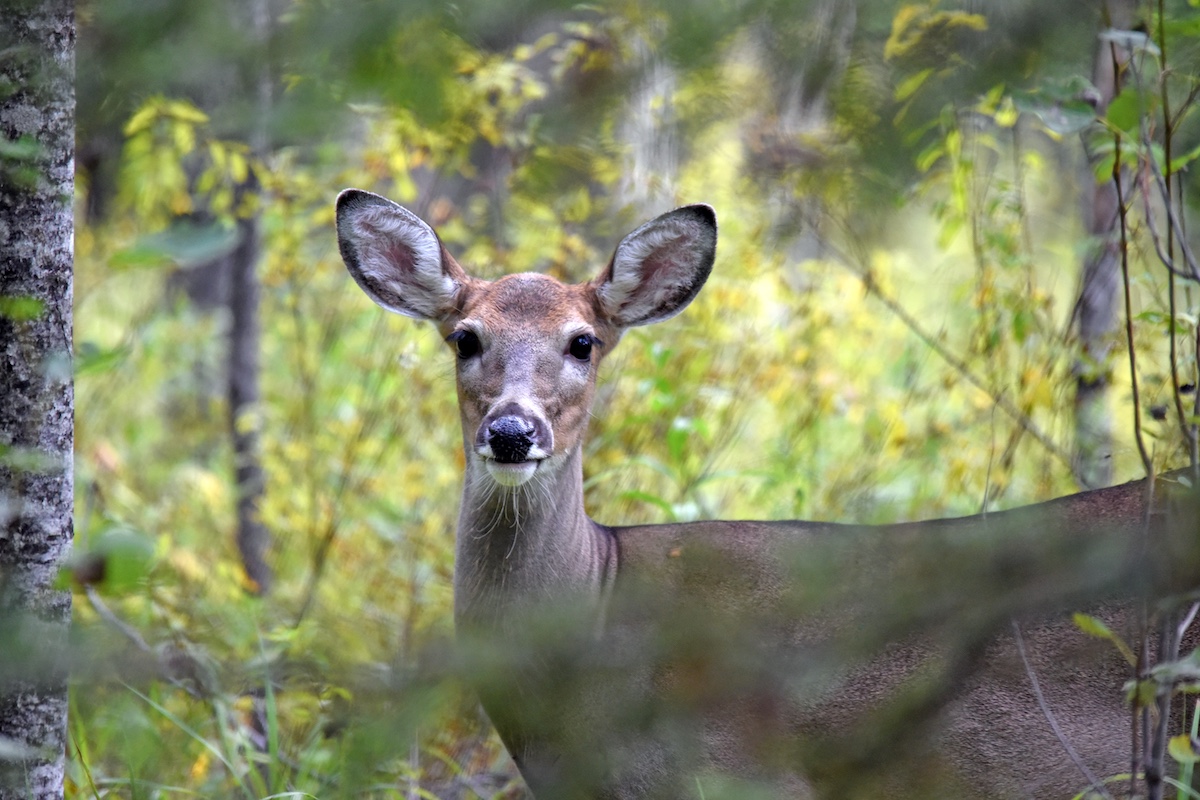
Chronic wasting disease is here in Illinois, and if you’re a deer hunter there is no doubt you’ve heard about it.
CWD is a prion disease (similar to mad cow or scrapie) caused by a mutated protein that can be spread to other white-tailed deer and is ultimately fatal. Left uncontrolled, this disease could have catastrophic effects on the deer population and hunting in Illinois. Many have had their deer checked for CWD, but what you may not know is that disease testing isn’t the end of the story.
Researchers at the Illinois Natural History Survey and the University of Illinois Urbana-Champaign (UIUC)are hard at work studying the disease outbreak with support from the Illinois Department of Natural Resources (IDNR) through the Federal Aid in Wildlife Restoration Project (W-146-R) administered by the United States Fish and Wildlife Service.
For CWD testing, part of the brain and lymph nodes are collected and examined by the Animal Disease Laboratory of the Illinois Department of Agriculture. At the time when CWD samples are collected, demographic data (age, sex, harvest location) and genetic samples are collected. The genetic samples are managed at the Chronic Wasting Disease Collaborative Labs of Dr. Jan Novakofski and Dr. Nohra Mateus-Pinilla in Urbana.
Every year, thousands of samples are processed by a dedicated team of undergraduate students. Tissues are inventoried, organized, measured and preserved in ethanol. From these samples, students extract DNA for sequencing and genotyping analyses. Strict bio-safety procedures are followed as each sample is handled to minimize the risk of exposure to CWD and other biological hazards. Through their hard work, these students are developing new research skills and exploring potential careers. Many former students have gone on to graduate school or careers in veterinary medicine and wildlife biology.
Annalise Anderson, a student majoring in Animal Science, said of her experience, “Working in the Novakofski and Mateus-Pinilla Chronic Wasting Disease Collaborative Labs has given me great insight into what it means to be involved with research that is making an overall positive impact. I only hope to have the same experiences as I go on to do my own animal biology research in the future.”
The task of analyzing and interpreting data collected from CWD-sampled deer is the collective responsibility of the team. Researchers such as Dr. Michelle Green and Dr. Adam Brandt merge their skills and interest with the CWD and wildlife disease direction of the labs, and build their scientific profile to reach and surpass their potential as independent scientists.
“Our job is to understand how the deer herd is affected by both CWD and management procedures,” said Dr. Green. “Because the disease is fatal, culling is one of the few management options to control CWD. We scientifically assess the effectiveness of the program in order to provide recommendations to the IDNR, and help the public to understand the outcomes and value of the management strategy. We also study aspects of deer biology, such as dispersal and mating patterns, to understand how natural deer behavior will influence CWD spread.”
Recent findings include genetic variation in white-tailed deer associated with reduced susceptibility to chronic wasting disease, risk of long distance dispersal patterns for spreading CWD, and the importance of localized culling to reduce CWD prevalence.
See complete list of publications from the Noakofski and Mateus-Pinilla Chronic Wasting Disease Collaborative Lab HERE.
Dr. Adam Brandt was a Postdoctoral Research Associate with the Illinois Natural History Survey working in the Chronic Wasting Disease Collaborative Labs with Dr. Jan Novakofski and Dr. Nohra Mateus-Pinilla. He now is an Assistant Professor of Biology at St. Norbert College in DePere, Wisconsin. His research area is molecular ecology, specifically evolution, phylogenetics, population and conservation genetics.




Submit a question for the author