


Photos by John Buhnerkempe
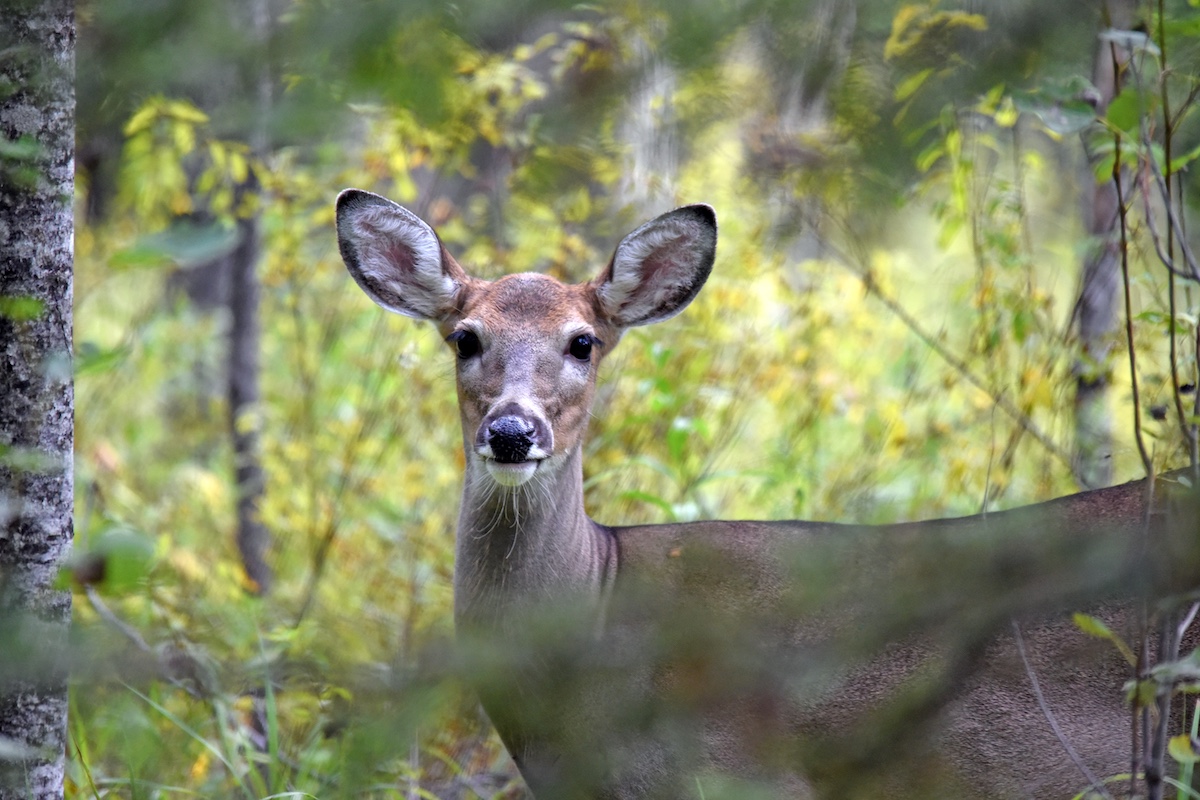
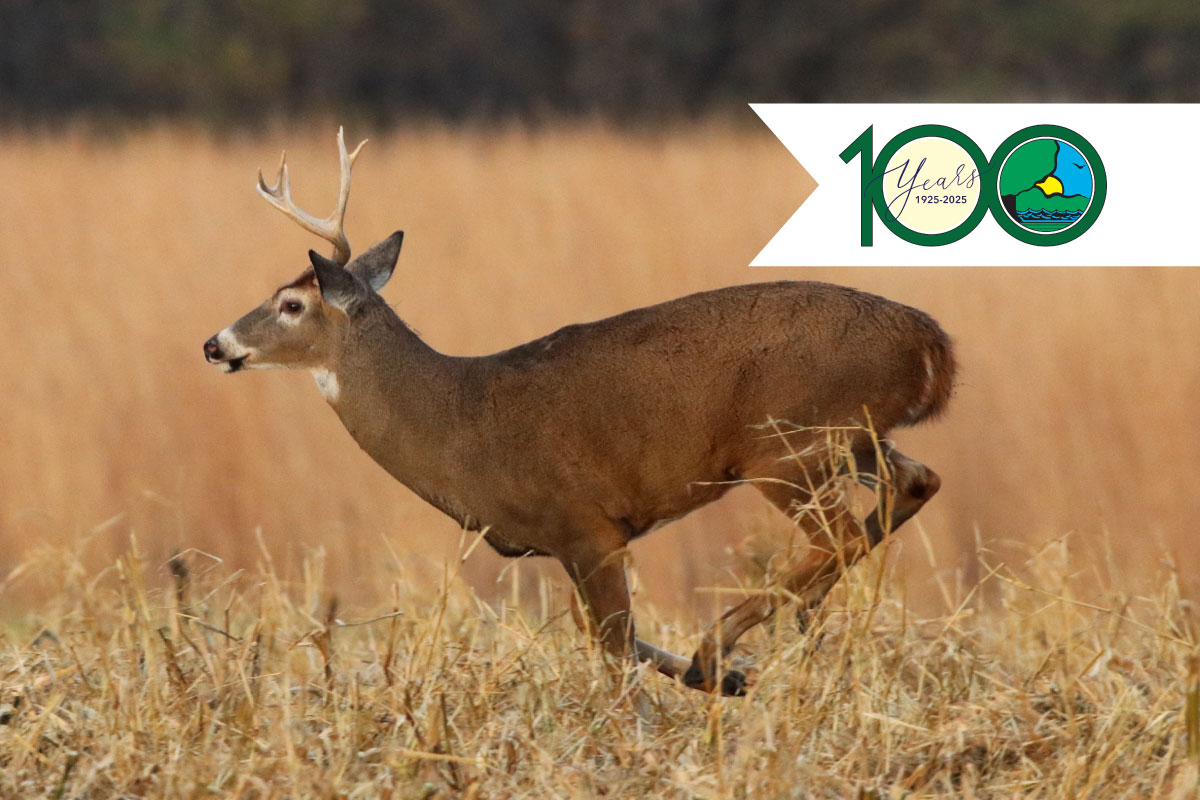
Each year between August and October, especially during hot and dry summers, landowners, deer hunters and wildlife enthusiasts are keeping an eye open for signs of an outbreak of Epizootic hemorrhagic disease (EHD) in the local white-tailed deer herd.

With thanks to those reporting incidences of deer exhibiting signs of EHD, the Illinois Department of Natural Resources (IDNR) reports a rise in the number of reports, counties (see map) and dead deer in 2018, although the numbers are significantly lower than the 2012 and 2013 seasons (see table/graph).
EHD is an acute, infectious and often fatal viral disease of some wild ruminants, including white-tailed deer. Characterized by extensive hemorrhages, this disease has been responsible for significant outbreaks in deer in the northern United States and southern Canada. Affected animals develop a fever, and typically many are found in, or adjacent to, water where they try to reduce their body temperature. Death can come quickly, from 8 to 36 hours after the onset of observable signs, to some infected deer. Other deer may die days or weeks later, and some will completely recover.
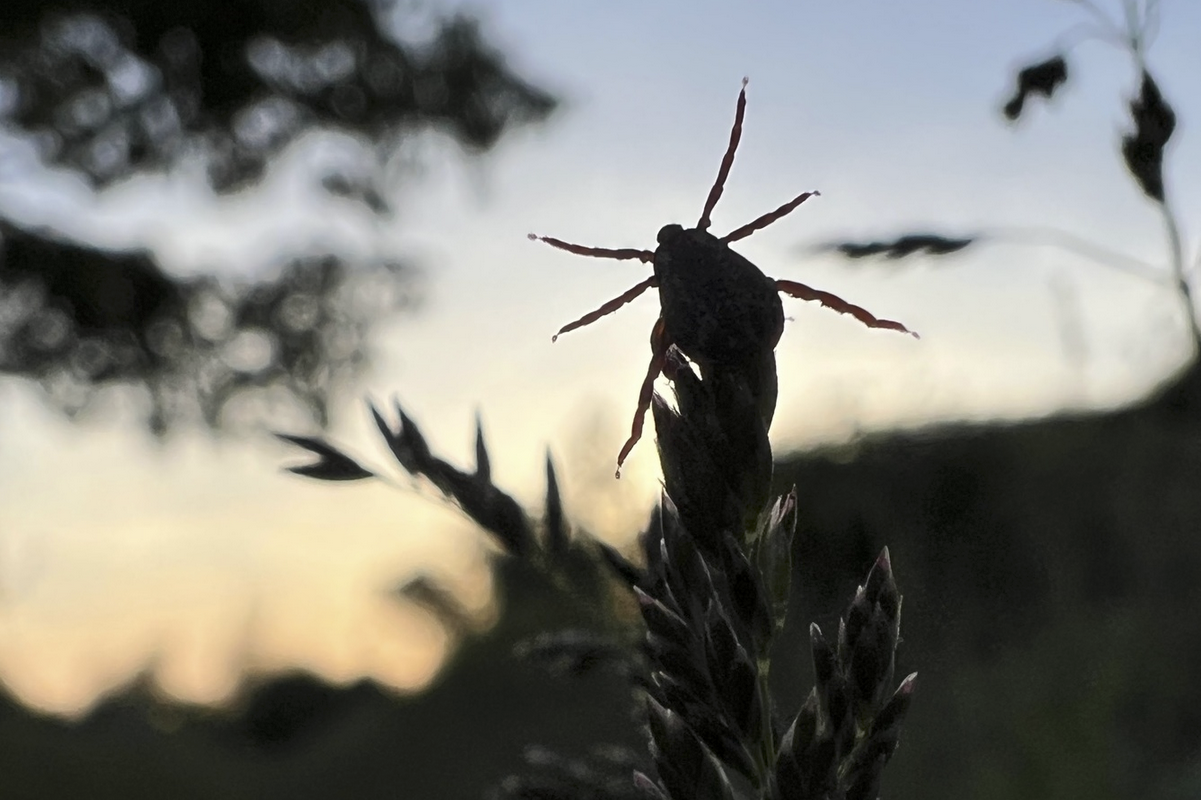
“EHD is observed somewhere in Illinois every year, typically where receding water levels provide the muddy shoreline breeding habitat necessary for the EHD vector, a Culicoides biting gnat,” explained Doug Dufford, Illinois Department of Natural Resources’ Wildlife Disease and Invasive Species Program Manager. “EHD is transmitted when a gnat carrying the virus bites a deer. Outbreaks tend to be localized because environmental and habitat conditions play an important role in producing the right mix of virus, high gnat populations and susceptible deer. An insect-killing frost typically ends an EHD outbreak.”

Signs of EHD appear about 7 days after the deer has been bitten and include sluggishness, difficulty breathing, loss of appetite, salivation and swelling of the head, neck, tongue or eyelids.
EHD cannot be transmitted directly from deer to deer and is not considered to be hazardous to humans or pets.
The patchy annual distribution of EHD means that Illinois residents are key to tracking annual outbreaks.
“Illinois residents and hunters serve as our eyes and ears and help IDNR monitor the annual distribution of this disease, as well as the health of the local deer herd,” said Dufford.
To learn more about EHD, or report incidences of sick and dead deer, access the online Report Sick or Dead Deer reporting form on the White-tailed Deer Illinois website. You will be asked to report facts including the county, number, age, and sex of dead deer and specific location of the deer.
Kathy Andrews Wright retired from the Illinois Department of Natural Resources where she was editor of OutdoorIllinois magazine. She is currently the editor of OutdoorIllinois Journal.
Share this Article
Share buttons do not appear in beta servers.

Subscribe to our Newsletter
Explore Our Family of Websites



Submit a question for the author